
Introduction to Gravy Recipe
When you're a busy young professional, finding time to cook can feel overwhelming. That's why learning how to prepare a homemade gravy recipe is not just a cooking skill; it’s a culinary superpower. Gravy adds a rich, savory element to many dishes — turning even a simple meal into a delightful feast.
Why settle for store-bought options when making gravy from scratch is both easy and quick? Using just a few pantry staples, you can create a flavorful sauce that enhances everything from roast chicken to beef dishes. According to a survey by the National Restaurant Association, 70% of diners feel that a well-prepared sauce can elevate their dining experience. Imagine impressing friends or family with your homemade gravy on a weeknight dinner—it's the small touches like this that can make cooking at home more enjoyable and rewarding.
Additionally, homemade gravy can be tailored to your taste preferences, whether you want it thick and hearty or light and savory. Plus, it’s a great way to use leftovers, making it a smart choice when you're also trying to reduce food waste. So, grab your ingredients and let’s dive into the art of gravy making!
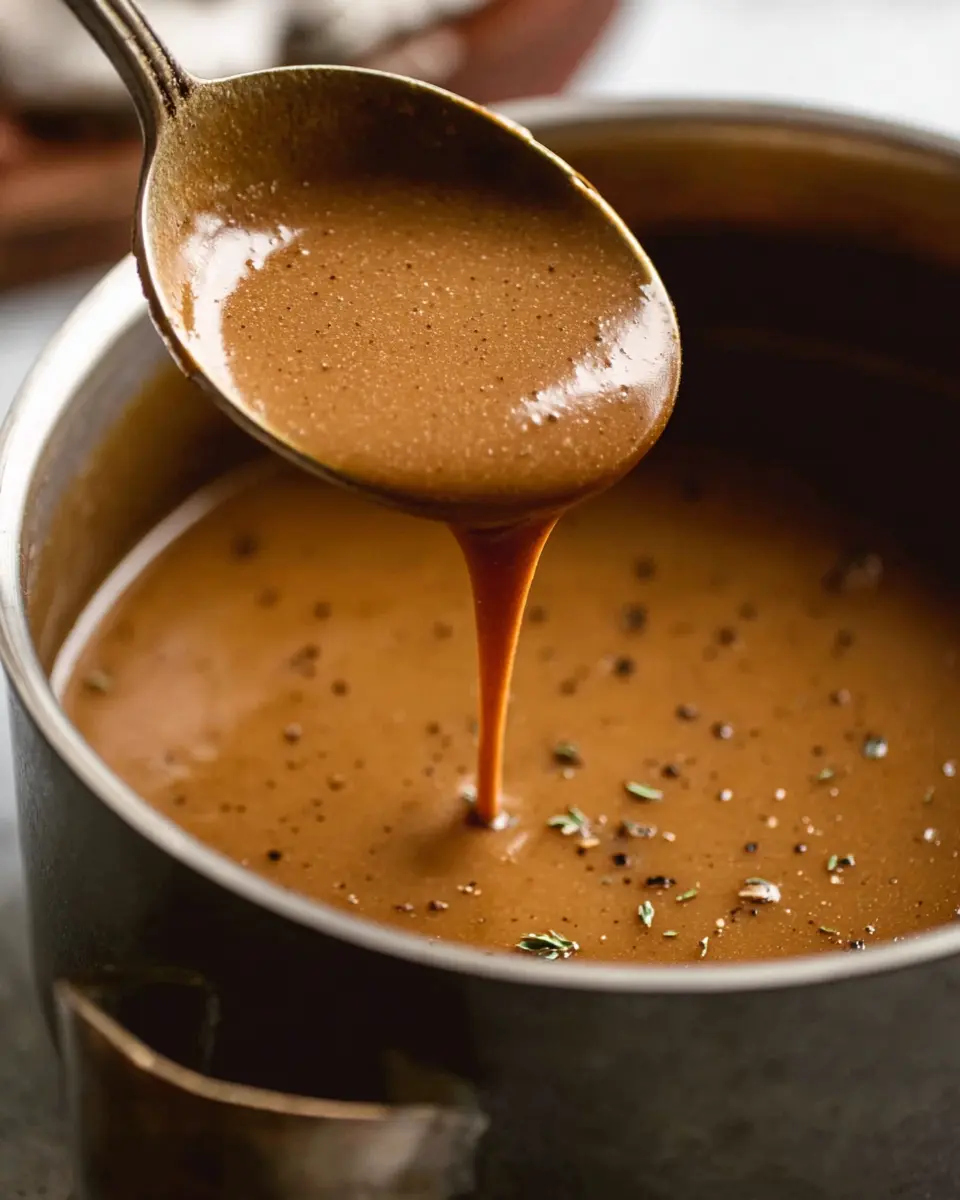
Ingredients for Gravy Recipe
Creating a mouthwatering gravy recipe starts with the right ingredients. Here’s a breakdown to get you started on your culinary journey.
Essential ingredients needed for a delicious gravy
- Chicken stock cube (or 2 teaspoon powder): This serves as the flavorful base.
- Beef stock cube (or 2 teaspoon powder): Boosts flavor and adds a rich color.
- Boiling water: Required to dissolve the stock cubes.
- Unsalted butter: For the roux, providing a creamy texture.
- Plain/all-purpose flour: Essential for thickening the gravy.
- Onion powder (optional): Adds a touch of savory goodness.
- Finely ground black pepper: Enhances the overall flavor.
- Salt: Adjust according to taste.
Optional ingredients for enhanced flavor
For those looking to elevate their gravy recipe, consider adding:
- Garlic powder: Instead of onion powder, it brings a distinct aroma.
- Dark soy sauce: A secret trick that deepens color and adds umami.
- Herbs: Such as thyme or rosemary for a fresh twist.
By mixing and matching these ingredients, you can create a gravy that’s not only delicious but also personalized to your taste! For more delectable ideas, check out FoodNetwork's guide on enhancements for sauces.
Step-by-step Preparation of Gravy Recipe
Creating a gravy recipe from scratch is one of those delightful kitchen ventures that can elevate even the simplest meals. Let’s walk through the steps to perfect this savory sauce, ensuring you reach a rich, flavorful finish that pairs beautifully with any dish.
Dissolve the Stock Cubes
Begin by crumbling your chicken and beef stock cubes into a bowl. Pour in 2 ¼ cups of boiling water and stir until completely dissolved. This step is crucial because it provides the essential flavor base for your gravy. Feel free to explore brands that emphasize quality, such as Better than Bouillon or homemade stocks, if you want to step up your game.
Melt the Butter
In a medium saucepan over medium heat, melt a generous 60g (or 4 tablespoons) of unsalted butter. As the butter melts, it will begin to foam. Keep an eye on it to prevent burning; a delightful golden hue is what we’re after here. This butter will serve as the backbone of our roux, giving the gravy richness and depth.
Create the Roux
Once your butter is melted, add in 4 tablespoons of plain flour along with ½ teaspoon of onion powder and ¼ teaspoon of finely ground black pepper. The key is to whisk or stir this mixture vigorously, ensuring it becomes a smooth paste. This is known as a roux, and it’s the magic that will thicken your gravy. Cook it for about 1-2 minutes until light golden brown; this process helps eliminate that raw flour taste.
Gradually Add the Liquid
Now comes the fun part! Gradually pour in half of the dissolved stock while continuously stirring. At first, it may look like a lumpy mixture, but don’t panic! As you keep stirring, it’ll start to incorporate. Once the first half is combined, slowly add the remainder of your stock. Keep stirring until every last bit is well blended—this process ensures no lumps remain.
Stir Until Thickened and Season
Allow your gravy to simmer for about 1.5 to 2 minutes. It should thicken nicely; don’t be surprised if it happens quickly due to the hot liquid. This is your chance to taste and adjust the seasoning. You might find you want a pinch of salt or a dash more pepper depending on your preferences.
And there you have it—a delightful gravy recipe that you can serve over beef, turkey bacon, chicken ham, or even roasted veggies.
Serve and Enjoy
Once your gravy is ready, drizzle it generously over your favorite dishes, and watch it transform your meal into something extraordinary! If you're curious, take a peek at more savory recipes that use gravy as a base to see how versatile this sauce can be. Happy cooking!
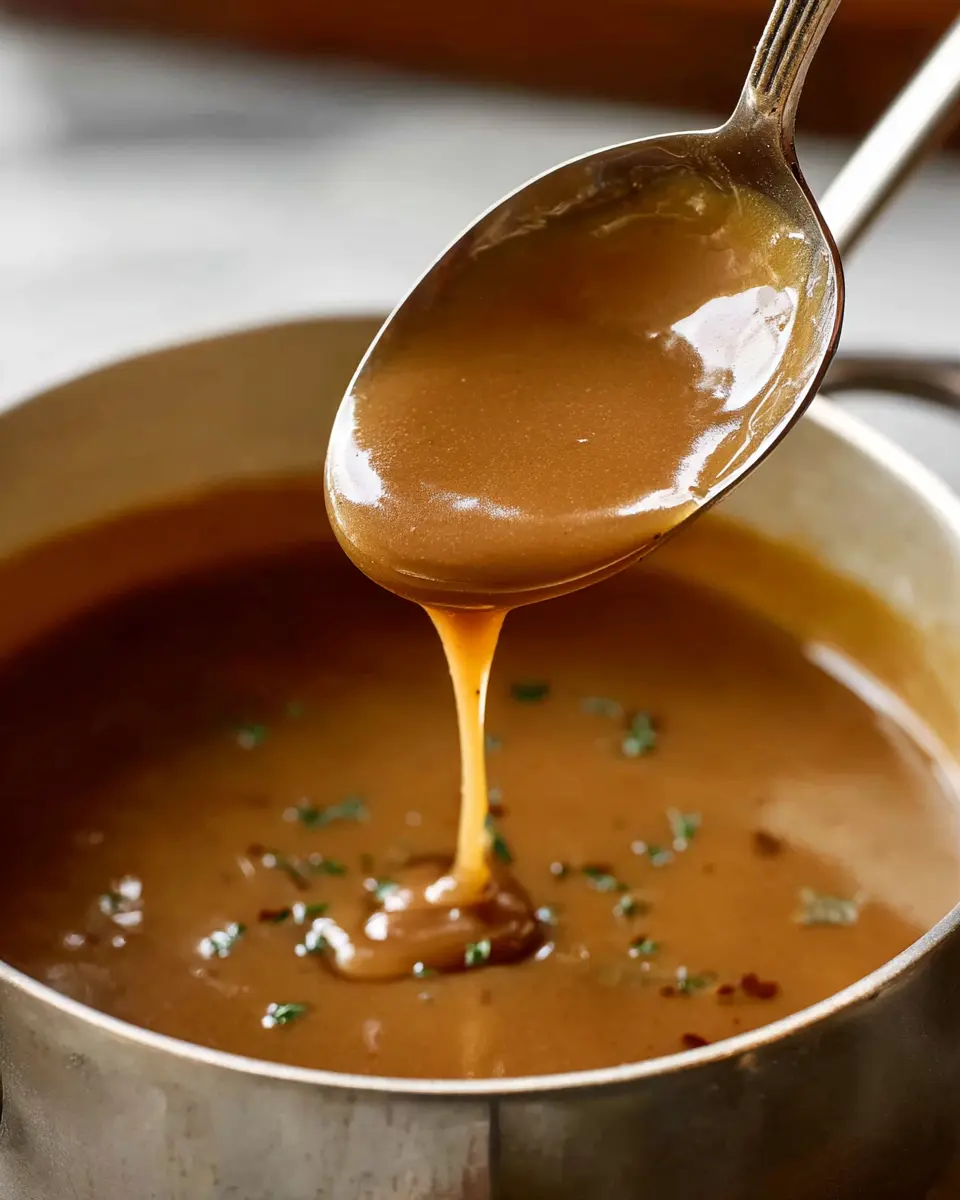
Variations on Gravy Recipe
Vegetarian Gravy Options
If you’re looking to enjoy a delicious gravy recipe without meat, try using vegetable stock cubes for a rich base. You can also incorporate sautéed mushrooms and onions for depth. For creaminess, a splash of plant-based milk or nutritional yeast adds a cheesy flavor. These variations are not only tasty—they’re perfect for drenching over vegetables, pasta, or your favorite plant-based meat substitutes.
Tips for a Spicy Twist on Gravy
Want to kick your gravy up a notch? Add a teaspoon of chili powder, paprika, or even a splash of hot sauce. Each will lend different flavors, so experiment to find your favorite. A sprinkle of freshly chopped herbs, like cilantro or parsley, can also enhance that spiciness with a fresh bite. Try it next time you whip up your gravy recipe!
Cooking Tips and Notes for Gravy Recipe
Essential cooking techniques for perfect consistency
To achieve the ideal texture for your gravy recipe, remember to whisk constantly as you pour in the liquid. This helps to avoid lumps and ensures a smooth blend. If your gravy becomes too thick, simply add a splash of boiling water and whisk to reinvigorate that velvety consistency. For a bolder flavor, consider adding a teaspoon of dark soy sauce, a little secret that enhances both taste and color.
Storage tips for leftovers
Gravy can be stored in the fridge for up to five days. After cooling, transfer it to an airtight container. Don't forget that it tends to thicken as it cools. To revive it, just heat it slowly and add a bit of water if necessary. If you prefer to make it ahead of time, freezing is an option—just allow it to thaw and mix well before reheating for delicious results.
For more tips on gravy storage, check out The Kitchen.
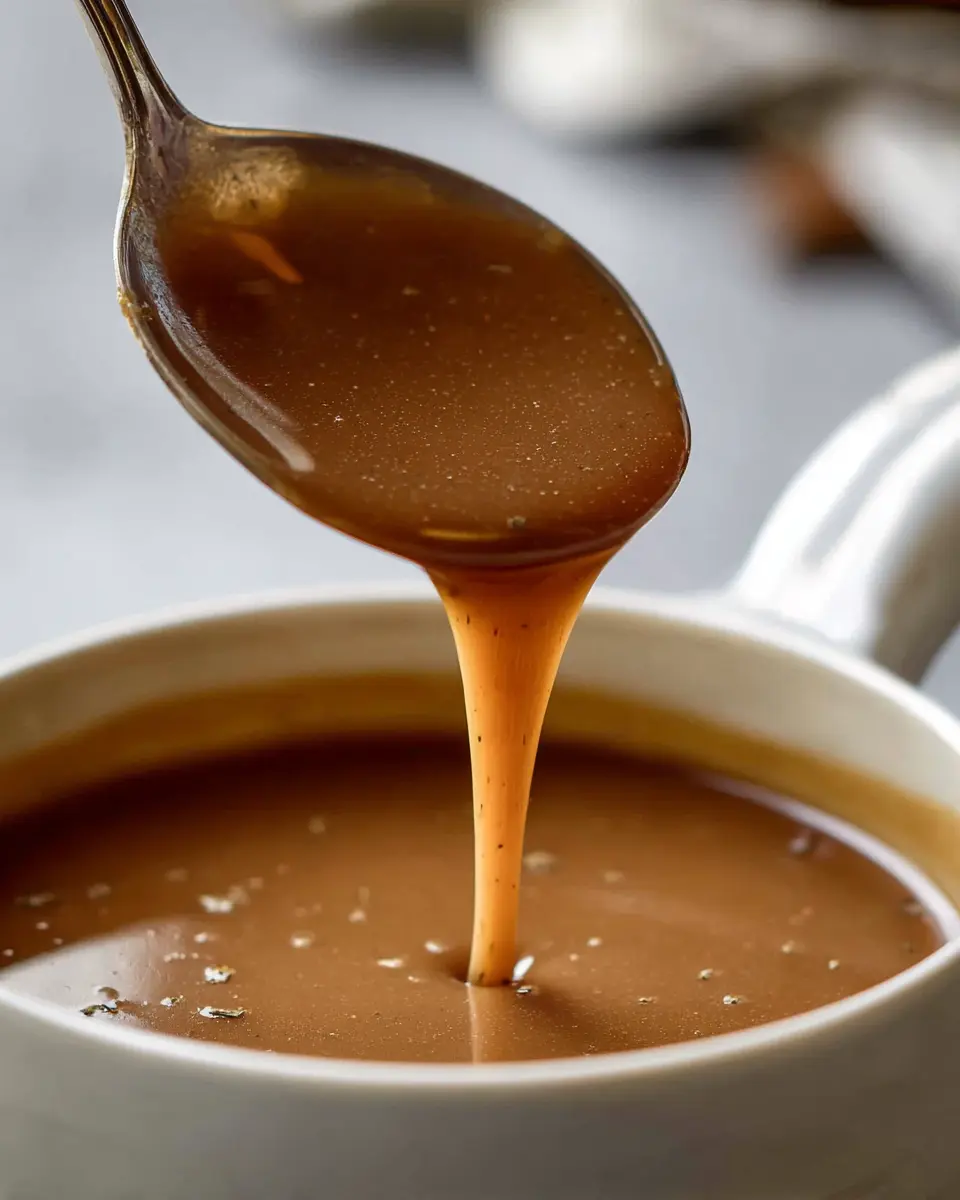
Serving Suggestions for Gravy Recipe
Best dishes to accompany your homemade gravy
Your homemade gravy recipe is the ultimate comfort food companion! Pour it generously over mashed potatoes, meatloaf, or roast chicken for a delightful meal. It also shines when served with beef dishes, like grilled steaks or burgers, and can elevate the simplest sides like steamed vegetables or biscuits. Don't forget to try it over turkey bacon for a breakfast twist!
Creative ways to use leftover gravy
Got leftover gravy? No problem! It can be a fantastic base for soups or stews. Simply stir it into sautéed vegetables or use it as a flavorful sauce for pasta or rice dishes. You could even whip up a savory breakfast by drizzling it over chicken ham and eggs. The possibilities are endless! For more culinary inspiration, check out Serious Eats for creative cooking ideas.
Time Breakdown for Gravy Recipe
Preparation time
Getting ready to whip up this delicious gravy recipe only takes about 5 minutes. You'll want to gather your ingredients and equipment to make the process smooth and enjoyable.
Cooking time
The cooking part is delightfully quick! You'll spend around 10-15 minutes stirring and thickening your gravy to perfection.
Total time
In just 15-20 minutes, you’ll be savoring a rich, homemade gravy that's perfect over your favorite dishes. Whether it’s for a cozy dinner or a festive gathering, this sauce will elevate your meal!
For more culinary inspiration, check out resources like the Food Network or Serious Eats. Happy cooking!
Nutritional Facts for Gravy Recipe
When making your homemade gravy, understanding the nutritional values can be quite helpful. Here’s a quick glance at what you can expect:
- Calories: 90 calories per serving. This makes it a reasonable addition to your meals without overloading on calories.
- Fat content: Each serving contains 8g of fat, with 5g being saturated. Knowing this helps in balancing your overall diet.
- Sodium levels: With 392mg of sodium, it’s essential to be mindful, especially if you’re watching your intake.
For more precise nutritional guidance, consider checking resources like the USDA’s FoodData Central. Enjoy your cooking!
FAQs about Gravy Recipe
Can I make gravy without stock cubes?
Absolutely! If you don’t have stock cubes on hand, you can use homemade stock or broth as a flavorful base for your gravy recipe. For a quick alternative, water seasoned with herbs, salt, and aromatics can also work—just be sure to adjust the seasoning to taste.
What can I use to thicken my gravy?
Flour is the most common thickener, but you can also try cornstarch or arrowroot powder for a gluten-free option. Just mix the thickener with a bit of cold water before adding it to your gravy. If you’re in a pinch, you can even use pureed vegetables like potatoes or carrots for a nutritious twist!
How do I store leftover gravy?
Leftover gravy can be stored in an airtight container in the fridge for up to five days. If it thickens too much while cooling, simply whisk in a bit of water when reheating, and it’ll return to its original consistency. For longer storage, freeze it in portions for up to three months—just be sure to thaw it in the refrigerator before reheating.
For more tips on storing, check out this guide on food preservation.
Conclusion on Gravy Recipe
Embracing the homemade touch in everyday cooking
Creating your own gravy not only brings comfort and flavor to your meals but also allows you to experiment with seasoning and textures. This gravy recipe is a fantastic gateway to utilizing fresh ingredients and reclaiming a traditional culinary skill. Enjoy the warmth of homemade comfort food!
For more tips on elevating your home cooking, check out resources like Serious Eats for in-depth culinary advice!
Gravy recipe
Equipment
- Saucepan
Ingredients
Stock and Base
- 1 cube chicken stock cube or 2 teaspoon powder
- 1 cube beef stock cube or 2 teaspoon powder
- 2.25 cups boiling water 565ml
Thickening Agent
- 60 g unsalted butter
- 4 tablespoon plain / all purpose flour
Seasoning
- 0.5 teaspoon onion powder ok to omit or sub garlic powder
- 0.25 teaspoon finely ground black pepper to taste
- Salt if needed
Instructions
Cooking Steps
- Crumble cubes into boiling water, mix to dissolve.
- Melt butter in a saucepan over medium heat.
- Add flour, onion powder and pepper. Mix into butter with a wooden spoon or whisk.
- While stirring, slowly pour in half the liquid. Once incorporated into the flour butter roux, add remaining liquid and mix.
- Stir for 1.5 – 2 minutes until it thickens to a gravy consistency, taste and add more salt and pepper if needed.
- Serve over chops, steak, sausages, veggies, roast chicken, pork, beef, or lamb.




Leave a Reply