
Introduction to Japanese Gyoza Dumplings
Japanese gyoza dumplings are a delicious cultural staple that blends flavor, texture, and fun preparation. While takeout can be tempting with its convenience, making gyoza at home brings something special to the table. First off, homemade gyoza allows you to control the ingredients, enabling you to choose fresh, high-quality components that cater to your taste and dietary preferences. You can also customize the filling—I mean, how fun is it to experiment with different proteins and vegetables?
Another reason to opt for homemade gyoza is the experience itself. There's something incredibly rewarding about gathering in the kitchen with friends or family, crafting each dumpling together. You'll find that the sharing of food and experiences fosters connection and joy—perfect for a relaxed evening in with loved ones. Plus, cooking your own gyoza means you can make as many as you like, saving both money and time compared to takeout in the long run.
So roll up your sleeves, grab your ingredients, and get ready to create your very own batch of mouthwatering Japanese gyoza dumplings. You’ll be glad you did!
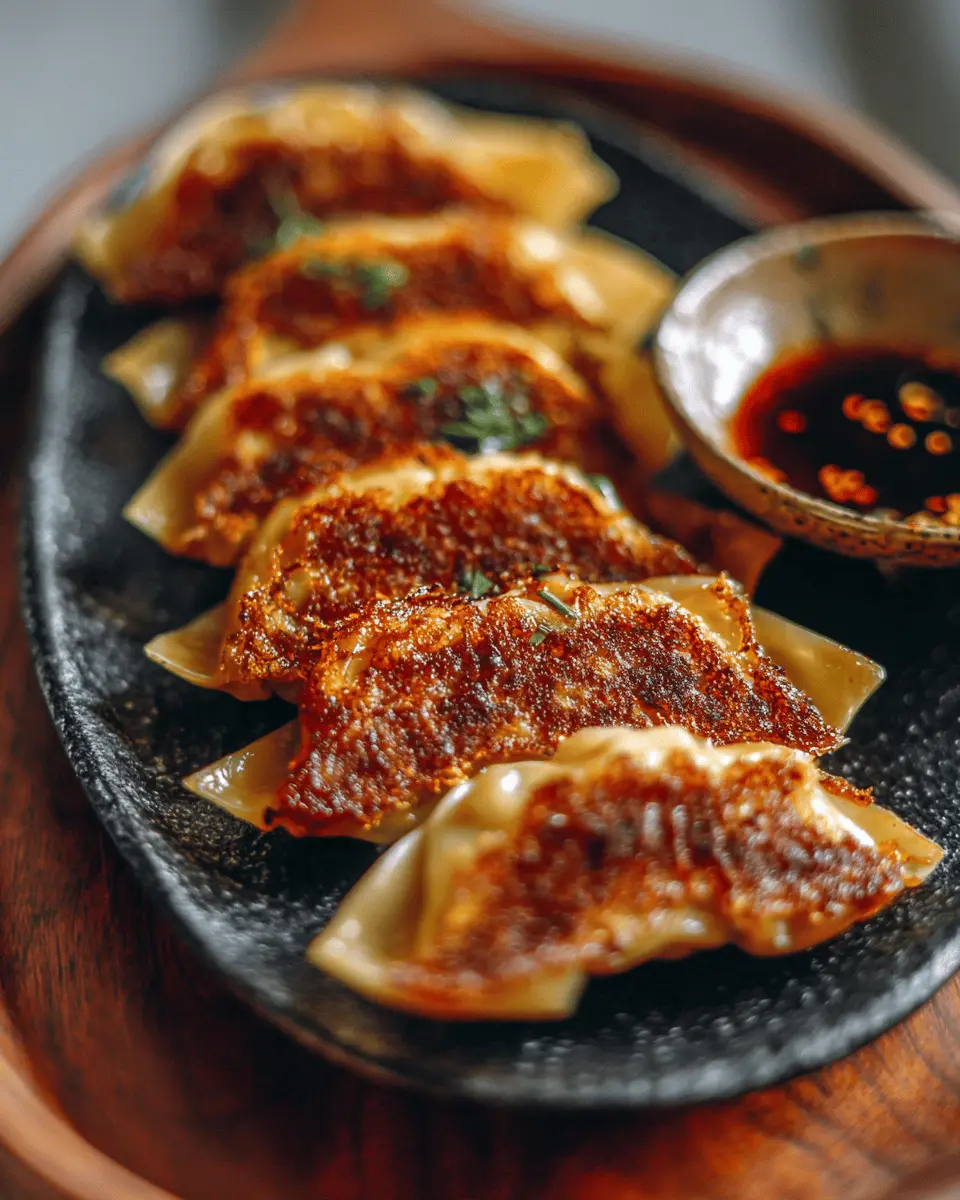
Ingredients for Japanese Gyoza Dumplings
Essential ingredients for the filling
To make your Japanese gyoza dumplings truly delightful, start with a flavorful filling. You'll need:
- Napa cabbage (1 pound, about 5 cups), roughly chopped for a soft texture.
- Ground beef (8 ounces, lean, ideally 70-80%) to deliver that savory punch.
- Garlic (1 clove, smashed) and fresh ginger (1 ½ teaspoons, minced) for their aromatic warmth.
- Scallion (1, chopped) to add a fresh, mild onion flavor.
- Vegetable oil (2 tablespoons) and a splash of sesame oil (½ teaspoon) for richness.
- Season with soy sauce (2 teaspoons), sugar (¾ teaspoon), and salt (½ teaspoon) to bring it all together.
Gyoza wrappers: homemade vs. store-bought
When it comes to the wrappers, you have options! You can purchase store-bought gyoza wrappers for convenience—just check your local Asian grocery or the international section of big-box stores. Alternatively, for the culinary adventurer, why not try making your own? Homemade wrappers provide that fresh, unique touch that can elevate your gyoza experience.
Making the dipping sauce
No Japanese gyoza dumplings are complete without a tasty dipping sauce. For a simple yet delicious concoction, mix:
- Soy sauce (2 tablespoons) for salty depth.
- Rice vinegar (1 teaspoon) to add a tangy kick.
- Hot water (1 tablespoon) to help dissolve the sugar.
- A pinch of sugar (1 teaspoon) to balance the flavors.
This easy recipe will get you well on your way to enjoying a fantastic homemade gyoza experience!
Step-by-step preparation of Japanese Gyoza Dumplings
Japanese Gyoza Dumplings are a delightful dish that combines a crispy exterior with a savory filling, making them perfect for a dinner party or just a cozy night in. Below is a straightforward guide on how to whip up these tasty dumplings at home!
Prepare the napa cabbage
Start by prepping your napa cabbage, which is essential for achieving that classic gyoza flavor. Bring a pot of water to a boil, and carefully add the roughly chopped cabbage. Blanch the cabbage for about 30 seconds before draining it in a colander. Once drained, rinse the cabbage with cold water to cool it down quickly. For the best texture, squeeze out any excess water—it can be a bit messy, but every drop counts!
Make the filling in a food processor
Now it’s time to put that prepared cabbage to work! In a food processor, combine the blanched cabbage, 8 ounces of ground beef, minced ginger, smashed garlic, chopped scallion, and a blend of oils and seasonings: 2 tablespoons of vegetable oil, ½ teaspoon of sesame oil, 2 teaspoons of soy sauce, ¾ teaspoon of sugar, and ½ teaspoon of salt. Pulse everything until your filling is well-mixed. The texture should be fine but not too mushy—aim for a consistency where you can still see tiny flecks of cabbage throughout. Here’s a guide on how to grind meat without a grinder if you want to take this dish to the next level of homestyle cooking!
Assemble the gyoza
This is where the fun begins! Set up your workspace with sheet pans lined with plastic wrap or parchment paper. Place about 2 teaspoons of filling in the center of each gyoza wrapper. With a finger dipped in water, moisten the edges of the wrapper to help seal it. You can simply fold the gyoza or create pleats for a more traditional look—it's your choice! Just make sure they’re sealed tightly to avoid any filling leaks during cooking.
Pan-fry to golden perfection
To cook your gyoza, heat a tablespoon of cooking oil in a nonstick or cast iron skillet over medium-high heat. Carefully place the gyoza in the pan, making sure not to overcrowd it. Allow them to fry until the bottoms are golden and crispy, about 2-3 minutes. For an added twist, consider steaming them briefly after frying by adding a splash of water and covering the pan with a lid. This short steam will cook the filling while keeping the bottoms crispy.
Prepare the dipping sauce
No gyoza experience would be complete without a delicious dipping sauce! In a small bowl, whisk together 2 tablespoons of soy sauce, 1 teaspoon of rice vinegar, 1 tablespoon of hot water, and 1 teaspoon of sugar until well combined. This tangy dip will complement the rich flavors of your gyoza perfectly.
With these simple steps, you’ll be on your way to enjoying homemade Japanese Gyoza Dumplings. Whether you savor them as a main dish or an appetizer, they’re sure to impress your guests or become a new favorite at home!
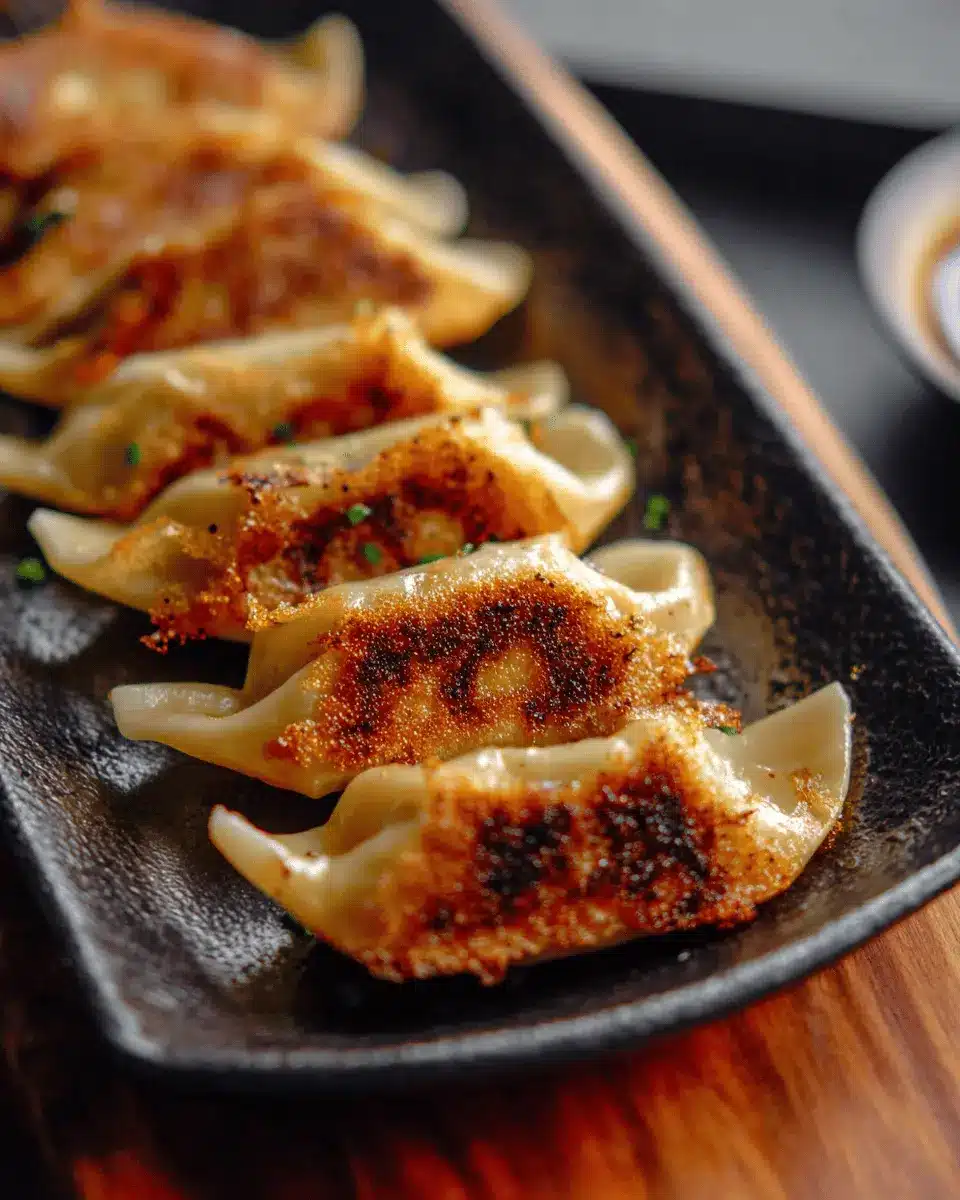
Variations on Japanese Gyoza Dumplings
Vegetarian gyoza options
For those opting for a plant-based diet, vegetarian gyoza dumplings can be a delightful choice! Substitute the ground beef with a mix of finely chopped mushrooms, shredded carrots, and a medley of greens like spinach or bok choy. Season with soy sauce, garlic, and ginger for that authentic umami flavor.
Spicy gyoza variations
If you’re craving a little heat, consider adding chili paste or crushed red pepper to your filling. You can also experiment with spicy dipping sauces by mixing soy sauce with sriracha or a splash of sesame oil. These spicy Japanese gyoza dumplings will certainly awaken your taste buds!
Feel free to explore variations that fit your dietary needs and preferences. Happy cooking!
Cooking Tips and Notes for Japanese Gyoza Dumplings
Tips for Perfect Sealing
Achieving a tight seal on your gyoza is critical to keep that delicious filling inside! When assembling your Japanese gyoza dumplings, moisten the edges of the wrapper with a little water using your fingertip. This creates a better bond when you pinch the edges together. If you want to impress your friends, use small pleats as you seal; it’s all in the technique! Trust me, practice makes perfect.
Recommended Cooking Oil for Frying
For frying your gyoza, I recommend using a neutral oil like canola or vegetable oil. These oils tolerate high heat well and won’t overpower the flavors of your Japanese gyoza dumplings. You can also experiment with a splash of sesame oil for added aroma—just remember to balance it with a neutral oil for frying. Happy cooking!
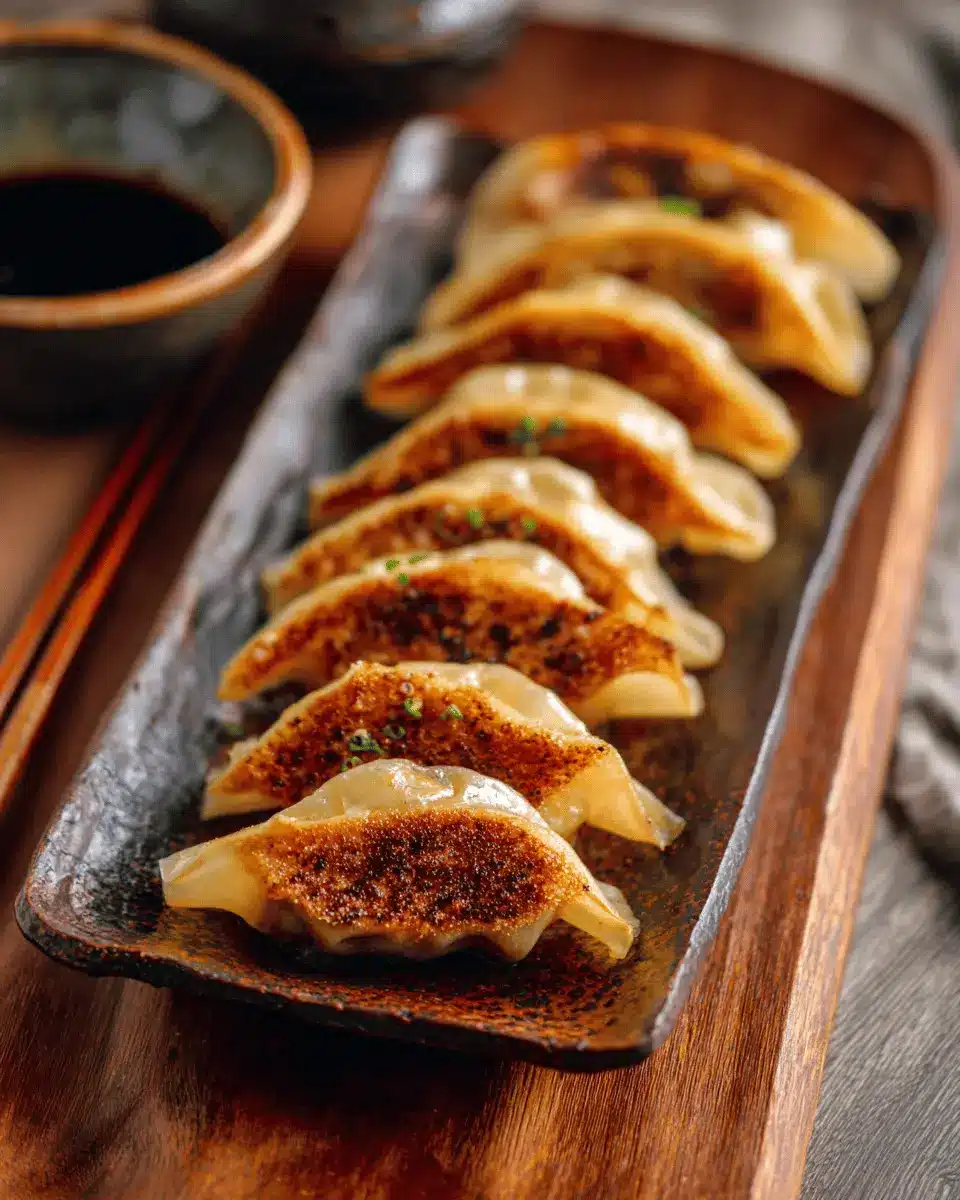
Serving Suggestions for Japanese Gyoza Dumplings
Pairing with Sides
When enjoying your Japanese Gyoza Dumplings, consider complementing them with light sides. A fresh cucumber salad dressed with rice vinegar and sesame oil adds a crisp contrast. You might also serve a side of steamed edamame sprinkled with sea salt for a simple yet satisfying option. For a heartier touch, try pairing them with nori-wrapped rice balls, offering a delightful texture variety.
Creative Serving Ideas
Elevate your gyoza experience by serving them on a beautiful wooden platter with an array of dipping sauces. Experiment with unique flavors like spicy mayo, ponzu sauce, or even a tangy hoisin mix. For presentation, garnish with thinly sliced radishes and chopped cilantro. Want a fun twist? Try making a gyoza taco, using a lettuce wrap instead of a traditional shell! The possibilities are endless, making each meal an exciting culinary adventure.
For more inspiration on gyoza and its pairings, explore this article on Japanese cooking techniques.
Time breakdown for Japanese Gyoza Dumplings
Preparation time
The prep work for your delicious Japanese Gyoza Dumplings will take about 30 minutes. This includes chopping your cabbage, mixing in the flavorful filling, and assembling those little pockets of joy.
Cooking time
Once you’re ready to cook, it’ll take approximately 10-15 minutes to pan-fry your gyoza until they’re beautifully crispy and golden brown.
Total time
In total, you’ll spend around 40-45 minutes from start to finish. This means you'll be enjoying your homemade gyoza in no time! Perfect for a quick weeknight meal or a weekend gathering.
Nutritional Facts for Japanese Gyoza Dumplings
When indulging in Japanese Gyoza Dumplings, it's handy to know the nutritional breakdown. Here’s a quick overview:
Calories
Each serving of these delicious dumplings contains approximately 208 calories, making them a satisfying yet moderate choice for any meal.
Protein
With about 9 grams of protein per serving, gyoza provides a nice balance to your diet while keeping you energized throughout the day.
Sodium
However, keep an eye on the sodium content, which is around 615 mg per serving. Moderation is key, especially if you're watching your sodium intake.
For more in-depth insights on healthy eating patterns, feel free to explore resources like Harvard's Nutrition Source. Enjoy making your gyoza!
FAQs about Japanese Gyoza Dumplings
Can I freeze gyoza for later?
Absolutely! Japanese gyoza dumplings freeze beautifully. After you form your gyoza, arrange them in a single layer on a baking sheet and freeze until solid. Once frozen, transfer them to a zip-top bag, squeezing out as much air as possible. They can be stored for up to three months, making them a convenient meal option for busy days.
What’s the best way to reheat gyoza?
For the best results, reheat your frozen gyoza straight from the freezer. First, pan-fry them in a skillet until they’re golden and crispy on one side. Then, add a bit of water to the pan, cover it with a lid, and steam for about 5 minutes. This method keeps them crispy while ensuring they're heated through.
Can I make gyoza without meat?
Definitely! You can create delicious vegetarian Japanese gyoza dumplings by using a combination of sautéed mushrooms, tofu, and your choice of vegetables like bell peppers and carrots for the filling. Mixing in some soy sauce or sesame oil enhances the flavors wonderfully. Don’t hesitate to experiment with your favorite ingredients!
Conclusion on Japanese Gyoza Dumplings
In summary, Japanese Gyoza Dumplings offer a delightful blend of flavors and textures, perfect for any occasion. Their crispy bottoms paired with savory fillings make them a crowd-pleaser. So gather your ingredients and enjoy the satisfying experience of making and sharing this delicious dish!
Japanese Gyoza Dumplings
Equipment
- food processor
- Skillet
- colander
- plastic wrap
Ingredients
Filling
- 1 pound napa cabbage (about 5 cups, roughly chopped into large pieces)
- 8 ounces ground pork (70% to 80% lean)
- 1 clove garlic (smashed)
- 1.5 teaspoons fresh ginger (minced)
- 1 piece scallion (chopped)
- 2 tablespoons vegetable oil (plus more for pan-frying)
- 0.5 teaspoon sesame oil
- 2 teaspoons soy sauce
- 0.75 teaspoon sugar
- 0.5 teaspoon salt
Dipping Sauce
- 2 tablespoons soy sauce
- 1 teaspoon rice vinegar
- 1 tablespoon hot water
- 1 teaspoon sugar
Instructions
Preparation
- Begin by blanching the napa cabbage in boiling water for 30 seconds. Drain the cabbage in a colander and rinse with cold water. Squeeze any excess water from the cabbage with your hands.
- To the food processor, add the blanched cabbage, ground pork, smashed garlic, ginger, scallion, 2 tablespoons vegetable oil, sesame oil, soy sauce, sugar, salt and pepper. Pulse the mixture in the food processor until the filling is well-combined.
- Prepare sheet pans or cookie sheets lined with plastic wrap or parchment paper. To assemble the gyoza, place about 2 teaspoons of filling in the middle of each wrapper, and use your finger dipped in a small bowl of fresh water to moisten the outer edges of the wrapper. You could simply fold them in half, or you can pleat them as you see in the photos. Make sure they are well-sealed.
- Heat a tablespoon of cooking oil in a nonstick or cast iron skillet over medium high heat. Place the gyoza in the pan and fry until the bottom of the gyoza become crispy and golden, about 2-3 minutes.

Leave a Reply