
Introduction to Soy Sauce Eggs
Have you ever found yourself scrambling to whip up a quick meal that’s both satisfying and delicious after a long day at work? Enter soy sauce eggs—a delightful twist on a classic soft-boiled egg that's as easy to make as it is versatile. With their rich flavor and elegant appearance, they can elevate not only your favorite ramen but also your meal prep game.
Why Soy Sauce Eggs are a Game Changer for Young Professionals
For young professionals navigating busy schedules, the beauty of soy sauce eggs lies in their adaptability. They can be enjoyed on their own, tossed into salads, or used as a topping for rice bowls. According to studies, incorporating high-protein foods like eggs helps maintain focus and energy throughout the day (you can check sources like the USDA for dietary insights).
Not to mention, they’re a fantastic way to impress your friends without spending hours in the kitchen. Imagine serving these umami-rich toppings to guests at your next dinner party; they’ll wonder how you managed to create such a sophisticated dish with minimal effort! Plus, soy sauce eggs store well in the fridge, making them a convenient option for meal prep. So, if you're ready to take your culinary skills to the next level while saving time, keep reading to discover how to create these fantastic eggs at home.
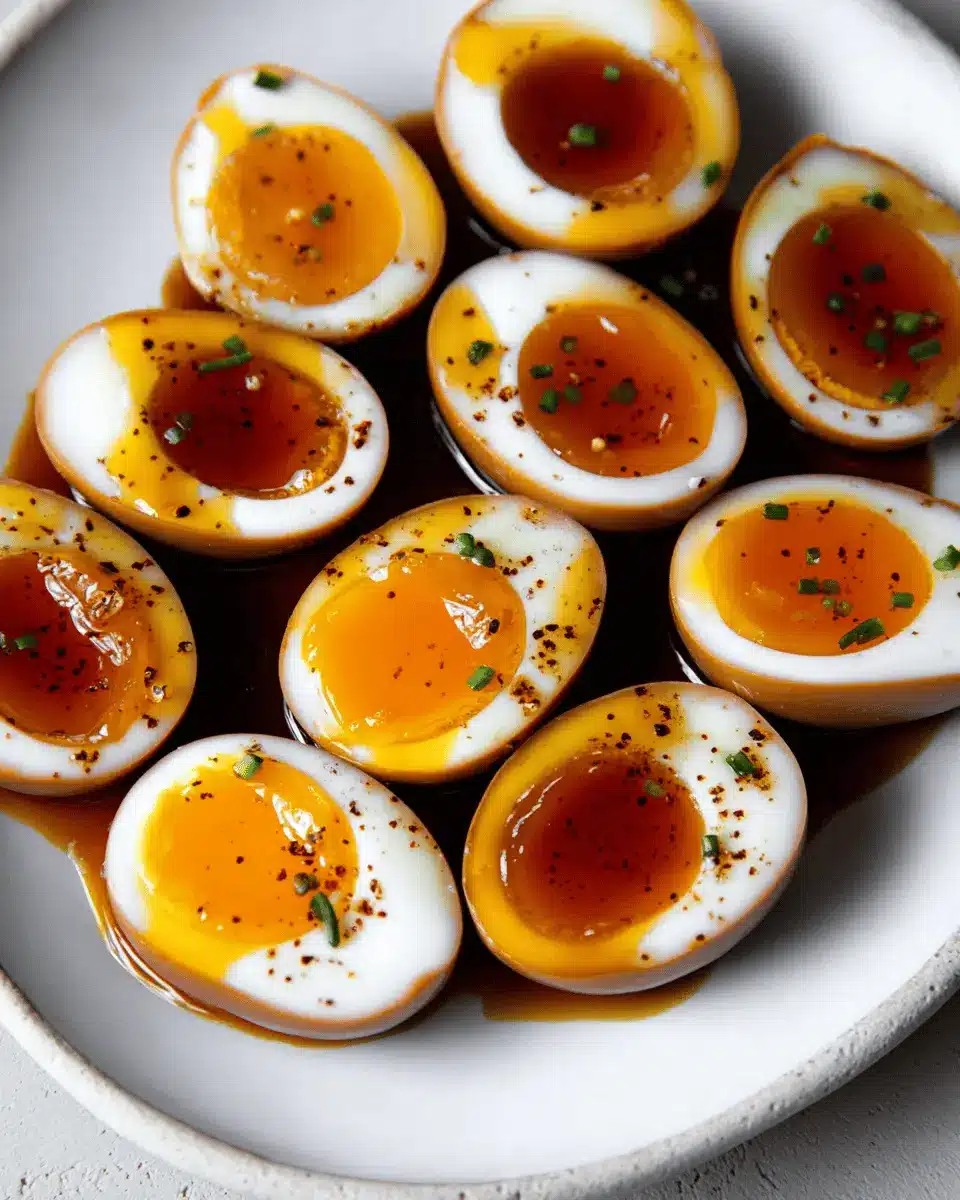
Ingredients for Soy Sauce Eggs
Creating delicious soy sauce eggs is not only simple but also satisfying. Here’s a friendly guide to the ingredients you’ll need to craft this delightful dish that’s often enjoyed as a snack or as a topping for ramen.
- 6 room temperature large eggs: Larger eggs yield a perfect jammy center that pairs beautifully with soy sauce.
- ¾ cup low-sodium soy sauce: Opt for low-sodium to control the saltiness and enhance the flavor without overpowering the dish. This article on soy sauce varieties can help you choose the best for your needs.
- 2 teaspoons sesame oil (optional): This adds a nutty aroma that complements the soy sauce.
- 1 tablespoon honey or any sweetener of your choice: Sweetness balances the salty flavors; feel free to use your favorite sweetener!
- 2 tablespoons rice vinegar: Adds a touch of acidity that brightens the dish.
- ¼ cup warm water: This helps to dissolve the honey and create a smooth marinade.
With these simple yet delicious ingredients, you’re well on your way to making flavorful soy sauce eggs that will impress your friends and elevate any meal.
Preparing Soy Sauce Eggs
Making soy sauce eggs is a delightful and rewarding endeavor! In just a few simple steps, you can create this tasty snack or side dish that complements numerous meals. Let's dive into the preparation process.
Gather Your Ingredients
To get started, you’ll need to collect all the ingredients that will elevate your soy sauce eggs. Here’s what you’ll need:
- 6 room temperature large eggs
- ¾ cup low-sodium soy sauce
- 2 teaspoons sesame oil (optional but recommended)
- 1 tablespoon honey or another sweetener of your choice
- 2 tablespoons rice vinegar
- ¼ cup warm water
Having everything ready makes the process smoother, and it’s also a great way to ensure you won’t forget anything essential!
Create the Marinade
Next, let’s whip up a delicious marinade. In a medium bowl, combine the low-sodium soy sauce, sesame oil, honey, rice vinegar, and warm water. Whisk these ingredients together until they are fully combined. The sweet and savory profile here is what makes these soy sauce eggs irresistible! If you want extra depth, consider using Mirin, a sweet rice wine, in place of honey, but be sure to boil it briefly if you’re serving it to kids to eliminate any residual alcohol.
Boil the Eggs Perfectly
Now for the star of the show: the eggs! Bring a medium saucepan of water to a boil, adding a splash of white vinegar and a pinch of salt. These little touches can help make peeling easier, and every bit helps! Lower the heat to a simmer, gently adding the eggs (using a skimmer can help). Set a timer for 6 minutes and 30 seconds. For the first couple of minutes, gently swirl the water to ensure even cooking. This little trick helps keep the yolks centered, which is a hallmark of the perfect soft-boiled egg.
Ice Bath and Peeling Technique
Once your timer buzzes, you’ll want to act quickly! Using a slotted spoon, transfer the eggs into a large bowl filled with ice and cold water. Let them cool for about 7-10 minutes. After they’re cool enough to handle, gently crack the eggs by tapping them on a hard surface and starting at the wider end, which usually houses the air pocket. If you dip them back into the ice water, it can make the peeling process a breeze.
Marinate the Eggs
With the eggs peeled, it's time for the transformative step: marination! Place the eggs into the prepared soy sauce marinade and let them soak for a minimum of 2 hours, though overnight is best for full flavor absorption. If the marinade doesn’t completely cover the eggs, simply turn them halfway through or place a small plate on top to press them beneath the liquid.
Once your soy sauce eggs are marinated and ready, slice them in half and enjoy them as part of a salad, on a rice bowl, or on their own as a savory snack. They’ll keep in the fridge for a few days, perfect for meal prepping!
This delightful recipe is perfect for young professionals looking to elevate their dishes with minimal effort. Enjoy!

Variations of Soy Sauce Eggs
Adding Spices or Aromatics
Elevate your soy sauce eggs by incorporating spices or aromatics! Think about adding a touch of garlic, ginger, or even a few slices of chili for a spicy kick. Fresh herbs like green onions or cilantro can brighten up the flavor. Experiment with star anise or even a dash of five-spice powder for a unique flavor twist that tantalizes your taste buds.
Different Sweeteners You Can Use
Sweetening your marinade can significantly change the profile of your soy sauce eggs. While honey is a classic choice, you might also explore maple syrup, agave nectar, or even coconut sugar for a healthier alternative. If you enjoy Japanese cuisine, consider using mirin, which offers a mild sweetness and enhances the umami flavor of the soy sauce. For a sugar-free approach, stevia or monk fruit can add sweetness without the calories!
Tips and Notes for Making Soy Sauce Eggs
Creating the perfect soy sauce eggs can be surprisingly simple with a few handy tips:
-
Check Your Egg Temperature: Using room temperature eggs will yield better results. Cold eggs may need extra cooking time, so make sure to account for that!
-
Optimize Your Marinade: Feel free to experiment with the marinade by adding ginger or garlic for an extra flavor kick. A splash of mirin can also enhance the sweetness.
-
Peeling Made Easy: Cracking the wider end first and using ice water can significantly ease the peeling process.
-
Marination Timing: The longer the wait, the richer the flavor! Aim for overnight marination if possible.
For more tips and delicious variations, check out resources like Serious Eats to explore different takes on this classic dish!

Serving Suggestions for Soy Sauce Eggs
Pair your delicious soy sauce eggs with a variety of tasty options to elevate your meal. Here are some favorites:
-
Ramen Bowls: Add them to your favorite ramen for a boost of flavor and protein. The rich, savory taste complements the broth beautifully.
-
Rice Dishes: Serve them alongside steamed jasmine or brown rice. Slice the eggs and let their soy-infused yolk drip onto the rice for a delectable treat.
-
Salads: Incorporate sliced soy sauce eggs into salads, topped with fresh greens, cucumbers, and a sesame dressing. This adds both nutrition and visual appeal.
-
Snack Time: Enjoy them on their own as a quick snack or with turkey bacon and avocado for a hearty breakfast option.
These soy sauce eggs are versatile, making them a fantastic addition to many dishes. Get creative and see what combinations you enjoy the most!
Time Breakdown for Soy Sauce Eggs
Preparation Time
Get ready to indulge in flavor with just 10 minutes of prep time! This includes gathering your ingredients and whisking together the marinade.
Cooking Time
Perfecting those jammy yolks takes approximately 6 minutes and 30 seconds of boiling. It’s quick, but every second counts!
Marinating Time
The magic happens during the marinating stage, which lasts anywhere from 2 to 6 hours, or even overnight. The longer, the better the flavor! Want an even deeper taste? Give your soy sauce eggs an overnight soak in the fridge.
For tips and more variations, consider checking out this resource on soft-boiling eggs for perfect timing and techniques!
Nutritional Facts for Soy Sauce Eggs
When enjoying soy sauce eggs, it's helpful to know their nutritional content to make informed choices. Here’s a quick look at what you’ll find in this delightful dish:
Calories
A single soy sauce egg contains approximately 70 calories, making it a light yet flavorful addition to your meal.
Protein
Each egg packs in about 6 grams of protein, providing a great source of energy and helping to keep you satiated throughout the day.
Sodium
However, keep an eye on sodium levels! With about 600 mg per egg, it’s essential to consider your overall daily intake, especially if you’re watching your salt consumption. For a lighter option, opt for low-sodium soy sauce to enjoy these tasty eggs without the guilt.
For more personalized health tips, consider checking out resources like Healthline or NutritionData to delve deeper into your dietary needs.
FAQs about Soy Sauce Eggs
What if I don't like soy sauce?
No worries! If you’re not a fan of soy sauce, you can customize the marinade to your taste. Consider using coconut aminos for a soy-free alternative or try a mix of balsamic vinegar with a bit of maple syrup for a different flavor profile. You can even experiment with herbs and spices to create an entirely unique marinade!
Can I make these eggs in advance?
Absolutely! Soy sauce eggs are perfect for meal prep. You can prepare them a day ahead of time, allowing them to soak in the marinade overnight. This not only saves time but also enriches the flavor, making the eggs even more delicious.
How do I store leftover soy sauce eggs?
To store your leftover soy sauce eggs, simply place them in an airtight container in the refrigerator. They’ll keep well for up to three days. If you've made a larger batch, consider sharing them with friends or using them as a topping for salads or rice dishes for an easy meal upgrade!
Conclusion on Soy Sauce Eggs
In summary, soy sauce eggs are a delightful way to elevate any meal, offering a blend of flavors and textures that will impress your guests. They’re not only simple to make but also versatile, perfect for ramen bowls, salads, or as a snack. Give them a try—you won’t regret it!
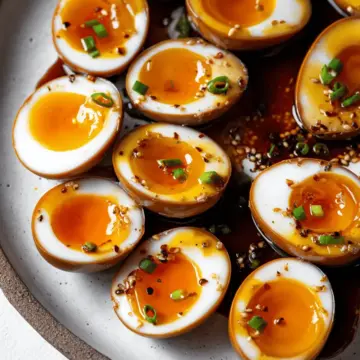
Soy Sauce Eggs
Equipment
- medium bowl
- medium saucepan
- slotted spoon
- ice bath
- Wooden spoon or chopstick
Ingredients
Main Ingredients
- 6 large eggs room temperature
- ¾ cup low-sodium soy sauce
- 2 teaspoons sesame oil optional
- 1 Tablespoon honey or any sweetener of your choice
- 2 Tablespoons rice vinegar
- ¼ cup warm water
Instructions
Preparation Steps
- In a medium bowl, whisk together the soy sauce, sesame oil, honey, vinegar, and water.
- Bring a medium saucepan of water to a boil. Add a splash of white vinegar and a pinch of salt. Lower to a simmer and carefully add the eggs. Turn the heat back up to medium high and immediately set a timer for 6 minutes and 30 seconds.
- Use a wooden spoon or chopstick to swirl the water and eggs in a circular motion for the first minute or two.
- While the eggs are boiling, fill a large bowl with cold water and ice. When the timer goes off, use a slotted spoon to transfer the eggs to the prepared ice bath. Let the eggs cool for 7-10 minutes.
- Use a small spoon to gently crack the egg at the bottom wider end, then gently tap the egg all over. Carefully peel all the eggs, occasionally dipping them back in the ice water.
- Place peeled eggs in the soy sauce marinade, cover and refrigerate for 2-6 hours or overnight.
- Remove the eggs from the soy sauce marinade and carefully slice in half lengthwise.



Leave a Reply