
Introduction to Roasted Root Vegetables
Roasted root vegetables are not just a side dish; they are a complete game changer in the culinary world. When you think of comfort food, this vibrant medley bursts with flavors and textures that can elevate any meal. Come winter, these hearty ingredients—think sweet potatoes, carrots, and beets—become staples on dinner tables, warming hearts and filling stomachs.
Why are they so special? Well, the magic lies in the roasting. As these vegetables caramelize in the oven, their natural sugars come alive, creating that irresistible char and depth of flavor. Did you know that roasting can enhance the nutritional value of vegetables by making certain nutrients more bioavailable?
Plus, they are incredibly versatile! Pair them with a drizzle of high-quality extra-virgin olive oil, fresh herbs, or even a sprinkle of spices, and you’re able to create a dish that mirrors the seasons. Roasted root vegetables can complement protein dishes like chicken or turkey bacon, or serve as the star of a vegetarian feast.
Ready to transform your meals? Let’s dive into a simple, delicious recipe for roasted root vegetables that will surely impress. For the complete recipe, including ingredient details and step-by-step instructions, keep reading!
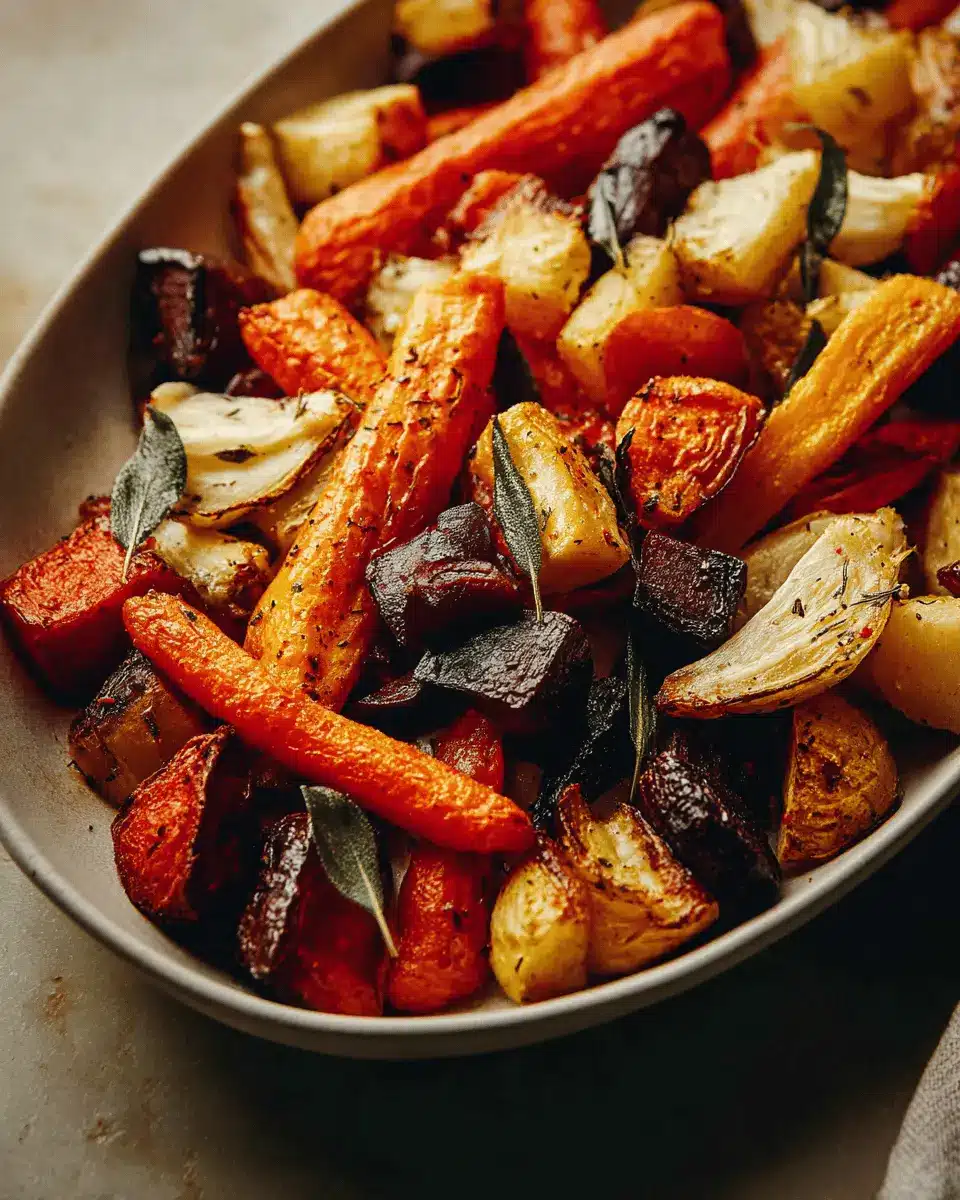
Ingredients for Roasted Root Vegetables
Essential ingredients for the perfect roast
To create delicious roasted root vegetables, you'll need a selection of colorful, hearty veggies that truly shine when roasted. Here's what you'll need:
- Beets: Choose one red and one golden beet for vibrant color and earthy sweetness.
- Carrots: A large carrot, rolled cut into 1-inch chunks, adds a natural sweetness.
- Parsnips: Their sweet, nutty flavor is elevated by roasting.
- Sweet Potato: Creamy and slightly sweet, it balances the dish beautifully.
- Turnip: Adds a bit of peppery zing to the mix.
- Extra-virgin olive oil: For drizzling and enhancing flavor.
- Fresh herbs: Rosemary, sage, and thyme bring aromatic depth.
- Sea salt and freshly ground black pepper: Essential for seasoning.
For a complete guide, check out this link on the magic of roasting!
Optional add-ins for personalization
Feel free to put your spin on your roasted root vegetables! Consider adding:
- Garlic cloves: Whole or minced, they enhance flavor.
- Onions or shallots: For a savory touch and sweetness.
- Other root vegetables: Like rutabaga or celery root, to diversify textures.
- Spices: Try a sprinkle of cumin or coriander for a warm, inviting aroma.
Embrace creativity in your cooking! The more varied your vegetables, the richer the flavors. Enjoy customizing your dish as you experiment!
Step-by-step Preparation of Roasted Root Vegetables
Preparing roasted root vegetables is a delightful cooking adventure that can elevate any meal. Whether you're prepping for a cozy dinner at home or entertaining friends, this step-by-step guide will help you achieve perfectly roasted veggies every time. Let’s dive in!
Preheat your oven
First things first: preheat your oven to 425°F (220°C). This high temperature is crucial for achieving that lovely caramelization you want in your vegetables. While the oven is warming up, take a moment to gather your ingredients. Lining two baking sheets with parchment paper at this point can save you a bit of cleanup later on!
Chop and prepare the vegetables
With your oven preheating, it’s time to chop the vegetables into uniform 1-inch chunks. This ensures that they roast evenly. Here’s the breakdown:
- Beets: Peel and chop one red and one golden beet to bring a vibrant color palette to the dish.
- Carrot: Roll-cut the large carrot for some creative flair.
- Parsnips: Their sweet flavor complements the other veggies beautifully.
- Sweet Potato and Turnip: Make sure these are chopped evenly as well.
After chopping, toss the vegetables in a large bowl to mix everything together. This makes it easier to season them later!
Seasoning the vegetables like a pro
Now comes the fun part—seasoning! Drizzle your chopped veggies with extra-virgin olive oil and sprinkle in:
- Fresh rosemary (1 tablespoon)
- Chopped sage leaves (1 tablespoon)
- Thyme leaves (1 tablespoon)
- Sea salt and freshly ground black pepper to taste
Make sure every piece is coated with the oil and seasoning for maximum flavor. Why not give each piece a gentle toss in the bowl? Visualize your tasty masterpiece as you do!
Roasting the vegetables to perfection
Spread each type of vegetable across its respective baking sheet in a single layer. Roast for about 25 to 50 minutes. Remember, the parsnips, sweet potato, and turnip will need less time compared to the beets and carrots. Check for doneness by piercing them with a fork; they should be tender and lightly browned around the edges.
Making crispy sage for added flavor
While your root vegetables are roasting, let's elevate the dish further with crispy sage! In a small saucepan, heat 2 tablespoons of extra-virgin olive oil until bubbling. Quickly add 10 fresh sage leaves and stir until they turn crispy—this usually takes around one minute. Transfer them to a paper towel-lined plate to drain, and save the flavorful sage oil for drizzling before serving.
Once your roasted root vegetables are done, toss them with a tablespoon of that savory sage oil. Arrange them on a platter, and top with the crispy sage leaves for an impressive finish. And there you have it—your very own roasted root vegetables, perfectly seasoned and utterly delicious! Enjoy your culinary creation!
Ready to enhance your cooking skills even further? Check out Love and Lemons for additional inspiration!
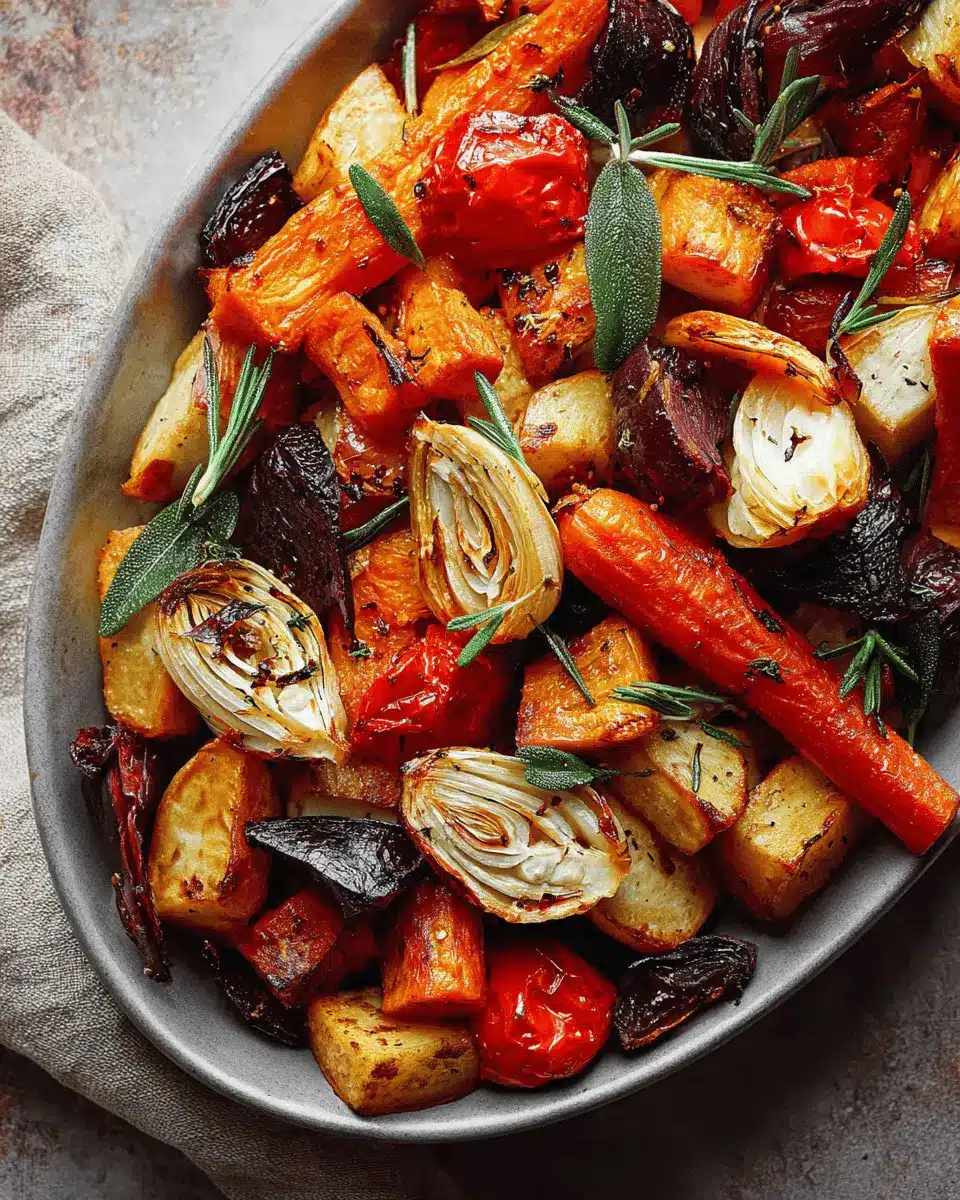
Variations on Roasted Root Vegetables
Sweet and spicy roasted variations
Elevate your roasted root vegetables with a sweet and spicy twist! Combine some honey or maple syrup with a sprinkle of cayenne pepper before tossing your veggies for a delightful contrast in flavor. You can also add a dash of cinnamon for warmth, making your dish perfect for cozy family dinners or holiday gatherings.
Herb-infused twists on classic recipes
Give your roasted root vegetables a fresh herb-infused makeover by experimenting with different herbs. Try mixing in fresh dill or basil instead of the classic rosemary and thyme. A drizzle of garlic oil can also add depth to the flavors, making your veggies irresistibly aromatic. For an extra kick, consider blending some balsamic vinegar or lemon juice, creating a vibrant finish that brings your dish to life.
Feel free to explore variations that suit your palate and unleash your culinary creativity!
Cooking Tips and Notes for Roasted Root Vegetables
Best practices for even cooking
For perfectly roasted root vegetables, focus on uniform size! Chopping your veggies into similar 1-inch chunks ensures they cook evenly, giving you that tender inside and beautifully caramelized exterior. Don’t overcrowd the baking sheet; give them some room for airflow. If you’re using two types of vegetables that cook at different rates, like carrots and beets, consider roasting them on separate sheets.
How to choose the freshest root vegetables
When selecting your root vegetables, look for firmness and vibrant color. Avoid any with blemishes, wrinkling, or soft spots. Farmers' markets are a fantastic spot for fresh produce, so consider exploring local options. For a detailed guide on buying fresh produce, check out resources like The Spruce Eats. With fresh ingredients in hand, your roasted root vegetables will shine!
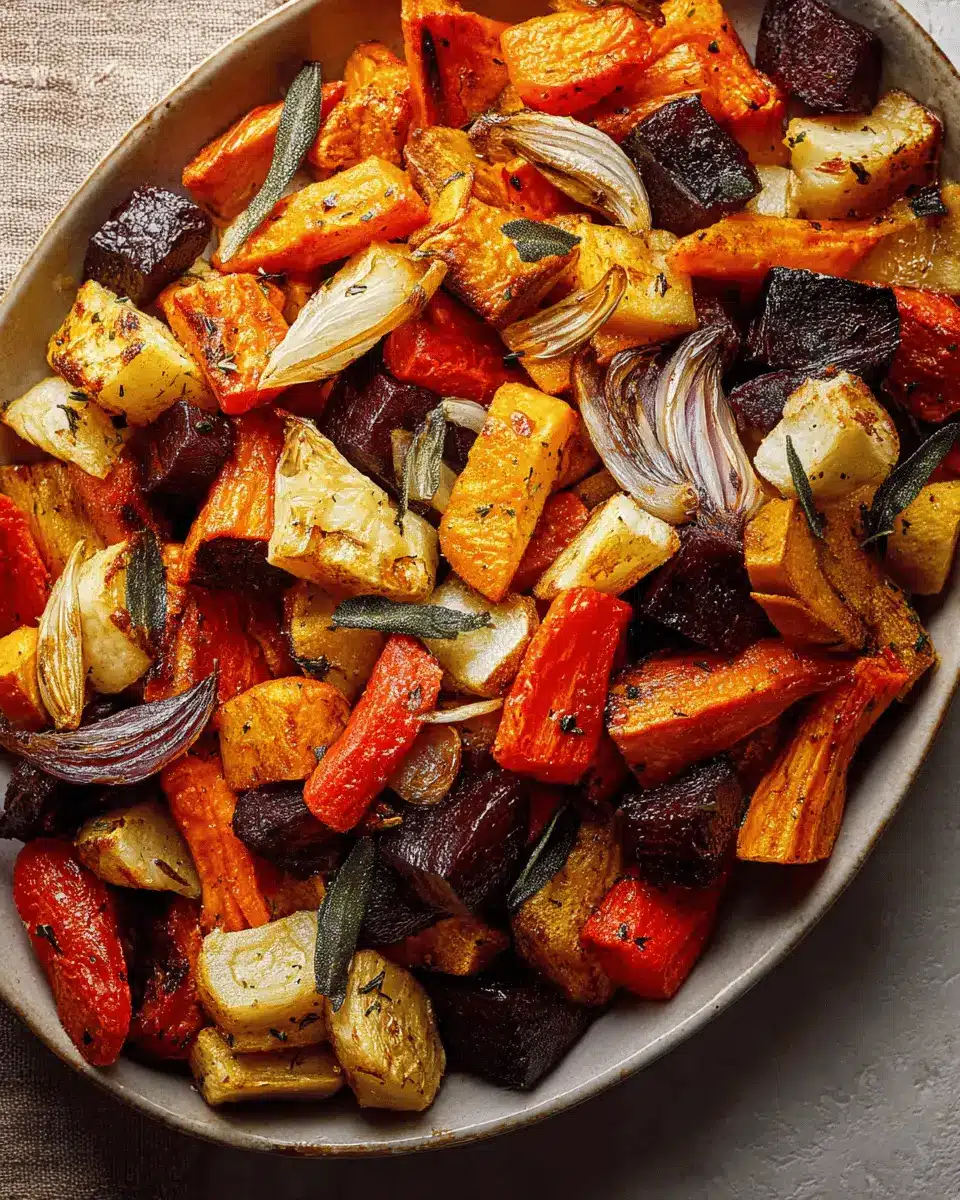
Serving Suggestions for Roasted Root Vegetables
Creative Plating Ideas
Elevate your roasted root vegetables with imaginative plating! Start by arranging the colorful veggies in a circular pattern on a rustic wooden board or a vibrant platter. Add a sprinkle of fresh herbs for a pop of color. For a touch of sophistication, drizzle a little sage oil over the top right before serving, allowing it to cascade over the edges, inviting guests to dig in. Consider using an oversized shallow bowl to create height—layer the vegetables and finish with crispy sage leaves crystalized in the oil. It’s all about making it visually enticing!
Pairing Suggestions with Meats and Grains
The earthy flavors of roasted root vegetables pair wonderfully with a variety of proteins and grains. For a wholesome meal, serve alongside grilled chicken ham or succulent turkey bacon. If you're in the mood for something heartier, consider incorporating quinoa or farro; their nutty undertones beautifully complement the sweetness of the vegetables. A light citrus dressing or a tangy yogurt sauce can add brightness to the dish. Feeling adventurous? Try serving them with a warm lentil salad—this combination packs a nutritious punch! Explore more pairing ideas through BBC Good Food for inspiration.
Time Breakdown for Roasted Root Vegetables
Preparation time
You’ll need about 15 minutes to prep your roasted root vegetables. This includes peeling, chopping, and arranging your vibrant veggies.
Cooking time
Roasting takes between 25 to 50 minutes, depending on your vegetable choices and preferred tenderness.
Total time
In total, you're looking at approximately 40 to 65 minutes from start to finish. This makes for a delightful side dish or a hearty main!
By roasting root vegetables, you not only bring out their natural sweetness but also create a rainbow of color on your plate. This is the beauty of cooking—it's all about timing and technique! Enjoy every bite!
Nutritional Facts for Roasted Root Vegetables
Calories and macronutrient breakdown
Roasted root vegetables are a delicious, nutritious addition to any meal. A typical serving consists of approximately 150-200 calories, with a fulfilling balance of macronutrients. Expect about 3-5g of protein, 30-40g of carbohydrates, and 4-8g of healthy fats, primarily from the olive oil used in roasting.
Health benefits of root vegetables
Including roasted root vegetables in your diet offers numerous health benefits. These colorful veggies are high in fiber, which promotes digestion and keeps you feeling full longer. They are also rich in vitamins and minerals, such as vitamin A from sweet potatoes, potassium from beets, and antioxidants that support overall health. For more insights on the benefits of root vegetables, check out sources like Healthline. Eating a variety of these vegetables can help boost your immune system and enhance your energy levels!
FAQs about Roasted Root Vegetables
What’s the best way to store leftover roasted vegetables?
Leftover roasted root vegetables are a delicious treat, and storing them properly can extend their life. Allow the veggies to cool completely and then place them in an airtight container. They can be stored in the refrigerator for up to 4 days. For longer storage, consider freezing them; just be aware that freezing may alter their texture slightly.
Can you use frozen root vegetables for roasting?
Absolutely! While frozen root vegetables can be used for roasting, they may not achieve the same caramelized quality as fresh ones. Thaw them first and pat them dry to remove excess moisture, allowing for better roasting results.
How do you add more flavor to root vegetables?
Enhancing the flavor of roasted root vegetables is easy! Try marinating them in a mixture of olive oil, herbs, and spices before cooking. Adding garlic, a splash of balsamic vinegar, or even some citrus juice can also elevate their taste. Don’t forget about toppings like fresh herbs or toasted nuts for added texture and flavor! For more tips, check out this resource on flavor combinations.
Conclusion on Roasted Root Vegetables
Roasting root vegetables at home is a delightful way to elevate any meal. Their natural sweetness and earthy flavors make them a perfect side dish or main course. Don't hesitate to experiment with different seasoning blends or veggie combinations—your taste buds will thank you!
Encouraging Readers to Try Roasting at Home
If you haven't tried your hand at roasting root vegetables yet, now's the perfect time to dive in! Taste the transformation as these humble ingredients caramelize beautifully in the oven. Plus, it's an incredibly versatile cooking method, allowing you to pair them with your favorite proteins like roasted chicken ham or turkey bacon.
So why not gather some fresh produce, fire up the oven, and let the flavors meld together? For even more ideas, check out resources like Love and Lemons for inspiration and tips on seasonal vegetables. Happy roasting!

Roasted Root Vegetables
Equipment
- oven
- baking sheets
- parchment paper
- small saucepan
- Plate
- Paper towels
Ingredients
Root Vegetables
- 2 beets beets, peeled and chopped into 1-inch chunks preferably 1 red and 1 golden
- 1 large carrot, roll cut into 1-inch chunks
- 3 parsnips parsnips, chopped into 1-inch chunks
- 1 medium sweet potato, chopped into 1-inch chunks
- 1 turnip turnip, chopped into 1-inch chunks
- 1 tablespoon chopped fresh rosemary
- 1 tablespoon chopped fresh sage leaves
- 1 tablespoon fresh thyme leaves
- Sea salt
- Freshly ground black pepper
- Extra-virgin olive oil for drizzling
Crispy Sage
- 2 tablespoons extra-virgin olive oil
- 10 leaves fresh sage leaves
Instructions
Preparation
- Preheat the oven to 425°F and line two baking sheets with parchment paper.
- Place the beets and carrots on one baking sheet and the parsnips, sweet potato, and turnip on the other. Drizzle the vegetables with olive oil and sprinkle with the rosemary, sage, thyme, pinches of salt, and several grinds of pepper. Toss to coat and spread evenly on the baking sheets. Roast for 25 to 50 minutes, or until tender and browned around the edges. The parsnips, sweet potato, and turnip will bake for less time. The beet and carrot will roast longer.
- Make the crispy sage: Line a plate with paper towels. Heat the olive oil in a small saucepan until bubbling, add the sage leaves, stir, and cook until crisp, about 1 minute. Remove the leaves from the oil and transfer to the prepared plate to drain. Reserve the oil for serving with the vegetables.
- Remove the vegetables from the oven and toss with 1 tablespoon of the sage oil. Transfer to a platter and top with the crispy sage leaves.



Leave a Reply