
Introduction to Turkey Meatballs
If you’ve been on the hunt for a delicious and healthier alternative to traditional meatballs, then turkey meatballs are your new best friend! These succulent little bites are not only packed with flavor, but they also boast a lower fat content compared to their beef counterparts. Turkey, especially lean ground turkey, is lower in saturated fat and calories, making it an excellent choice for health-conscious eaters. According to the USDA, a 3-ounce serving of cooked ground turkey contains around 170 calories and just 8 grams of fat, a significant reduction compared to beef.
What’s great about turkey meatballs is their versatility. You can whip them up in under an hour and they adapt beautifully to various flavor profiles—whether you’re in the mood for Italian with marinara sauce or a spicy Asian-inspired dish, the options are endless. Plus, they're perfect for meal prepping! Just make a big batch, freeze what you won’t use immediately, and you’ve got a quick, nutritious meal waiting for you on busy weekdays.
If you’re excited to explore the world of turkey meatballs, grab your apron! For more tips on how to elevate your cooking, check out sites like Love and Lemons or Serious Eats. Happy cooking!
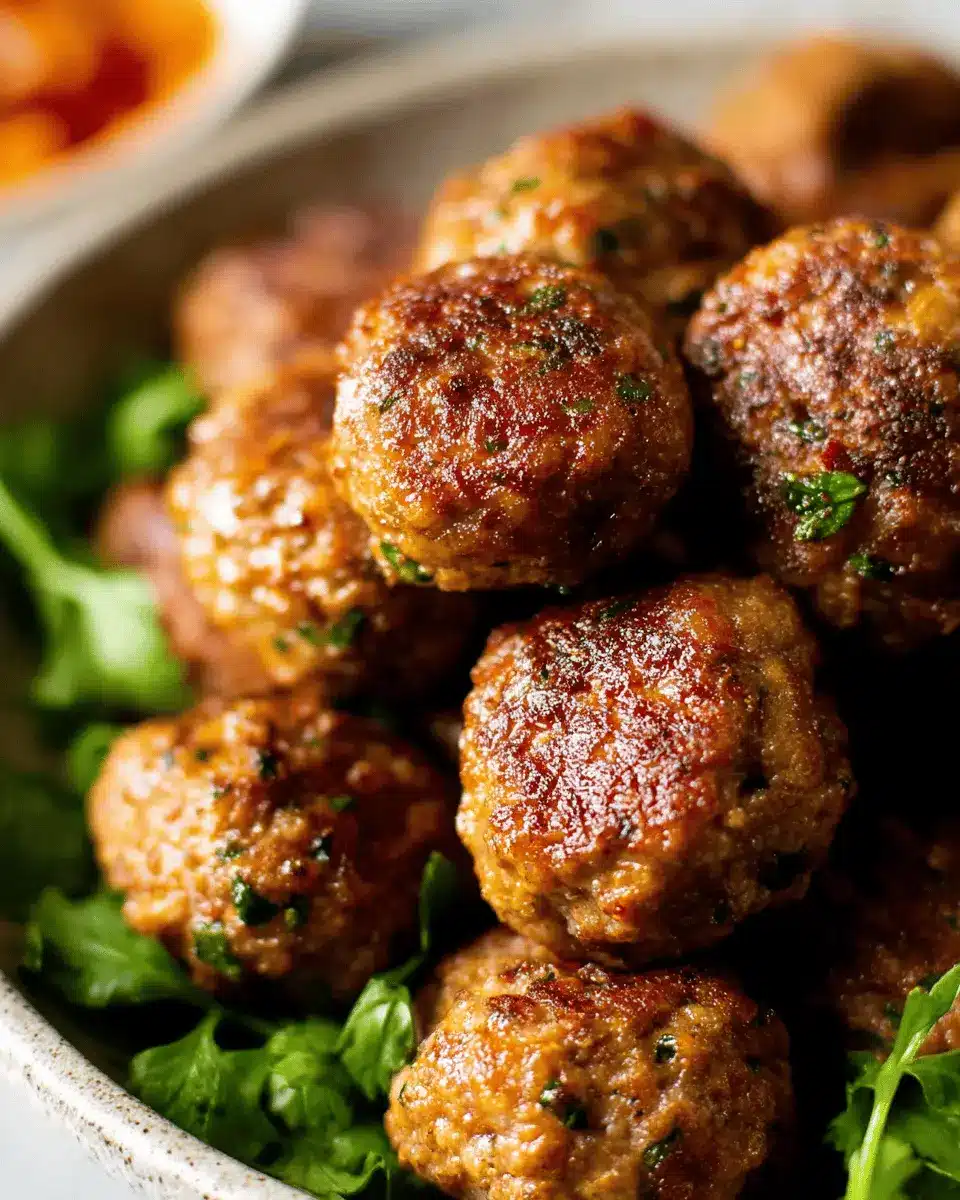
Ingredients for Turkey Meatballs
Creating delicious turkey meatballs is all about using the right ingredients! Here’s a breakdown that will have you whipping up a batch in no time.
Main ingredients
To form the base of your turkey meatballs, you’ll need the following essential ingredients:
- Ground turkey: Aim for lean ground turkey to keep it healthier but still flavorful.
- Breadcrumbs: These help bind the meat together for a cohesive texture. You can use regular or whole wheat.
- Egg: Acts as a binder and adds moisture to the meatballs.
- Garlic and onion: Freshly minced will offer vibrant flavor, but powdered versions work in a pinch.
- Parmesan cheese: A sprinkle adds a delicious savory note.
- Salt and pepper: Don’t underestimate the importance of seasoning!
Optional add-ins
Feel free to get creative with some optional add-ins that can enhance your turkey meatballs even further:
- Fresh herbs: Basil or parsley for a burst of freshness.
- Vegetables: Finely chopped carrots or zucchini can sneak in extra nutrition.
- Turkey bacon or chicken ham: Chopped for added richness.
Adding these optional elements not only boosts flavor but can elevate the nutritional profile too. For more ideas, consider checking out sources like EatingWell for innovative twists! What’s your favorite way to customize your turkey meatballs?
Step-by-step preparation of Turkey Meatballs
Making turkey meatballs can be a delightful and rewarding experience, especially when you follow these simple steps. You’ll find the pleasure of crafting your meal from scratch while enjoying the delicious aroma wafting through your kitchen!
Gather your ingredients
Before diving into the mixing and shaping, take a moment to gather all your ingredients. This not only streamlines the process but also gets you in the cooking mindset! Here’s a basic ingredient list to start with:
- 1 pound ground turkey
- ½ cup breadcrumbs (whole wheat for a healthier option)
- ¼ cup grated Parmesan cheese
- ¼ cup chopped fresh parsley
- 1 large egg
- 2 cloves garlic, minced
- Salt and pepper, to taste
- Optional: chopped onions or grated carrots for extra moisture and flavor
Getting everything ready can save you time and prevent that frantic last-minute scramble. Plus, who doesn’t love a well-organized kitchen?
Mix the meatball mixture
In a large bowl, combine all the ingredients. Dig in with your hands (your best kitchen tools!) and mix until everything is well combined. The key here is to mix, but not overmix—the goal is to keep the meatballs tender. If you’re unsure where to start, you can check out expert advice on meatball texture here.
Remember, it’s perfectly fine to experiment with spices or even swap out ingredients based on your taste or what you have on hand!
Shape the turkey meatballs
Now, onto the fun part—shaping! Once your mixture is combined, take small portions (about 1.5 inches in diameter) and roll them into balls. If you’re dealing with a sticky mixture, dampen your hands slightly to make the process smoother. This is a great time to get creative—think about the perfect size for your pasta dish or sub sandwich.
Prepare the cooking surface
For the perfect turkey meatballs, you can choose to bake, pan-fry, or even grill. If you’re baking, preheat your oven to 375°F (190°C) and line a baking sheet with parchment paper. If pan-frying, heat a tablespoon of olive oil in a skillet over medium heat. Preparing your cooking surface correctly ensures even cooking and helps prevent sticking, allowing your meatballs to shine!
Cook the turkey meatballs
Finally, it’s time for the moment of truth! If baking, arrange the meatballs on the prepared sheet and bake for about 20-25 minutes, or until they're cooked through. If you’re opting for pan-frying, cook them for about 4-5 minutes on each side until golden brown.
How do you know they’re done? The internal temperature should reach 165°F (74°C) according to safety guidelines, ensuring they're perfectly juicy and safe to eat!
These turkey meatballs are versatile and can be served with pasta, in a sub, or even on their own as an appetizer. Happy cooking!
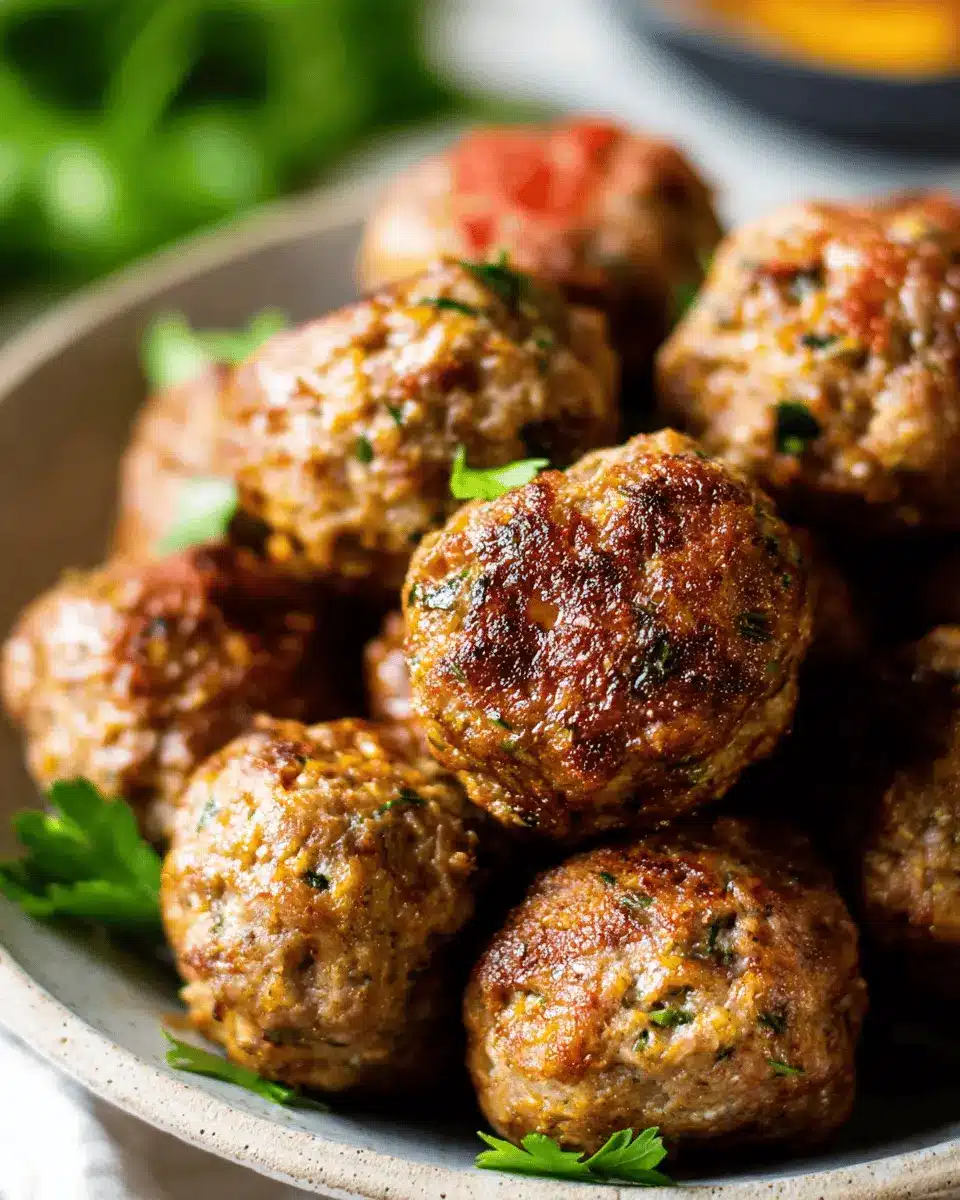
Variations of Turkey Meatballs
Italian-style Turkey Meatballs
If you’re in the mood for a taste of Italy, why not try Italian-style turkey meatballs? These savory bites feature a blend of herbs like basil and oregano, along with a generous splash of marinara sauce. Serve them over spaghetti or in a sub for a comforting meal, reminiscent of your favorite trattoria. Consider adding grated Parmesan cheese for extra flavor. Feeling adventurous? Check out this food pairing guide to enhance your dish even further!
Asian-inspired Turkey Meatballs
For a delicious twist, dive into Asian-inspired turkey meatballs. Ground turkey is seasoned with ginger, garlic, and soy sauce, giving it a flavorful zing. Serve them with a sweet-and-savory hoisin glaze, or pair with rice and steamed veggies for a wholesome dinner. The mix of flavors is a delightful way to explore global cuisines, and your taste buds will thank you! Need ideas for side dishes? Explore this insightful "guide to Asian cuisine" to soak up more culinary inspiration!
Cooking tips and notes for Turkey Meatballs
How to keep turkey meatballs moist
Keeping your turkey meatballs juicy can be a game-changer for your meal! Here are some handy tips:
-
Add moisture-rich ingredients: Incorporate ingredients like finely chopped vegetables, breadcrumbs soaked in broth (instead of water), or a splash of milk. These additions provide moisture while cooking.
-
Don’t overmix: Combine your ingredients just until they’re blended. Overmixing can lead to dense, dry meatballs.
-
Avoid high heat: Cook your meatballs at medium heat instead of high. This ensures they cook through without drying out on the outside.
-
Use a meat thermometer: Aim for an internal temperature of 165°F. This helps avoid overcooking while ensuring they're safe to eat.
By following these tips, your turkey meatballs will be a hit at the dinner table. For more ideas about cooking with turkey, check out the USDA’s guide on turkey cooking. Happy cooking!
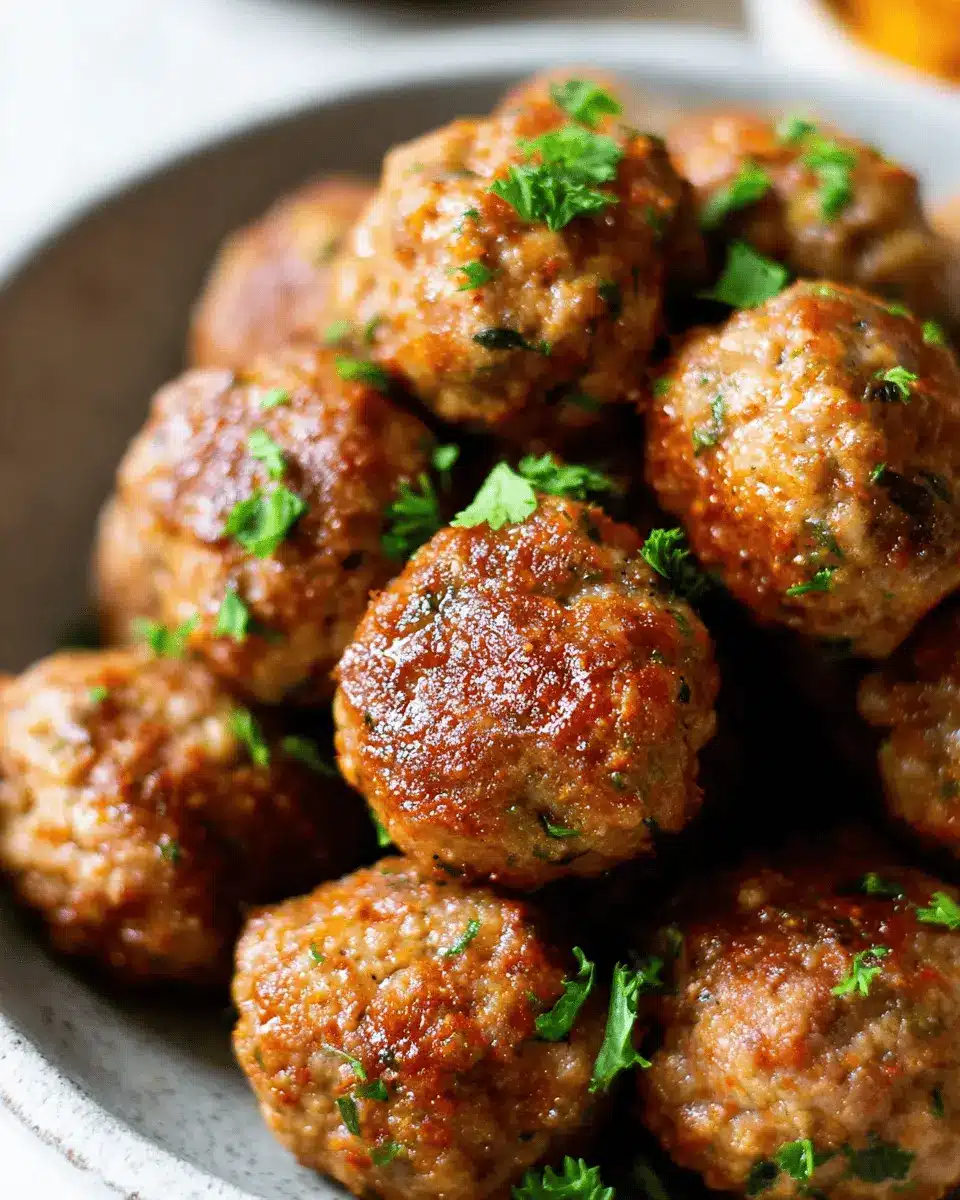
Serving suggestions for Turkey Meatballs
Pairing with pasta or zucchini noodles
When it comes to turkey meatballs, think about pairing them with your favorite pasta or even zucchini noodles for a healthier twist. Toss them in a rich marinara sauce or a light olive oil and garlic dressing, and you've created a comforting meal that’s perfect for any night. If you're feeling adventurous, try adding fresh basil and Parmesan to elevate the dish. Prefer a gluten-free option? Spiralized zucchini gives you that satisfying pasta feel without the carbs—plus, it's a colorful addition to your plate!
Serving with a dipping sauce or glaze
Don’t underestimate the power of a great dipping sauce! Turkey meatballs can shine when paired with a zesty marinara, a tangy barbecue, or a spicy sriracha glaze. These options not only enhance the flavor but also make for a fun appetizer at gatherings. If you want a unique twist, consider a honey mustard dip or a savory tahini sauce; they offer a delightful balance that complements the meatiness of the turkey. Looking for a quick recipe? Check out this guide for homemade sauces that will impress your guests.
Time breakdown for Turkey Meatballs
Preparation time
Getting your kitchen ready for turkey meatballs is quick and easy! Plan for about 15-20 minutes to gather your ingredients, chop your veggies, and mix everything together. Don’t rush this part; it’s the foundation for a delicious dish!
Cooking time
Once your meatballs are formed, cooking takes about 25-30 minutes. If you're opting for baking, simply pop them in the oven at 375°F (190°C) until they're golden and cooked through. Want a bit of a crisp? Searing them in a skillet first adds a delightful texture!
Total time
In total, you’re looking at around 45-50 minutes from start to finish. That’s pretty manageable for a hearty meal, right? Plus, these tender turkey meatballs are perfect for meal prep; make a batch for busy weeknights.
For more tips on cooking ground turkey and its benefits, check out resources from Healthline and The USDA for guidelines on safely preparing poultry.
Nutritional Facts for Turkey Meatballs
When it comes to healthy dining options, turkey meatballs stand out as a nutritious choice. Here's a bite-sized breakdown of their nutritional profile:
Calories
One serving of turkey meatballs typically contains around 150-200 calories, making them a great option for balanced meals without overwhelming your daily intake.
Protein
Packed with approximately 20 grams of protein per serving, turkey meatballs are perfect for those looking to boost their protein intake, whether you’re an athlete or just need a bit more energy in your day.
Fiber
While turkey meatballs themselves aren’t fiber-rich, pairing them with whole grain pasta or a hearty salad can elevate your fiber content, aiding digestion and keeping you feeling full longer.
For more information on healthy eating, the USDA offers excellent resources on food nutrient profiles and serving suggestions. You can explore them here, helping you make informed choices for a vibrant lifestyle.
Incorporating turkey meatballs not only enhances your meals but also aligns with a nutritious diet, especially when served with colorful veggies or whole grains. So, what's your favorite way to enjoy them?
FAQs about Turkey Meatballs
Can I use ground turkey breast instead of ground turkey?
Absolutely! Using ground turkey breast will yield leaner turkey meatballs, which can be a great choice for lighter meals. Just keep in mind that breast meat might make the meatballs a bit dryer. To counteract this, consider adding a touch of moist ingredients like grated cheese, vegetables, or a splash of broth to keep them juicy.
How do I prevent turkey meatballs from falling apart?
One common concern is meatball integrity. To ensure your turkey meatballs hold their shape, be sure to use the right binder—breadcrumbs or oats mixed with an egg work wonders. Mixing and handling the meat gently also helps; overworking meat can lead to tough, crumbly results. Check out more tips on meatball texture here for expert advice.
Can I freeze leftover turkey meatballs?
Definitely! Freezing turkey meatballs is a smart way to save your delicious creations. Just let them cool completely before transferring to an airtight container or freezer bag. When you're ready to use them, simply reheat them in the oven or microwave, and you've got an easy meal ready to go! For tips on freezing and thawing, consider visiting this resource.
Conclusion on Turkey Meatballs
In conclusion, turkey meatballs are a delicious, nutritious option that can elevate any meal. They are easy to prepare, versatile, and a great way to introduce lean protein into your diet. Try them in pasta, as an appetizer, or in a sandwich—your taste buds will thank you!
A Versatile Dish for Any Occasion
Turkey meatballs can be adapted to fit a variety of cuisines. Whether you enjoy a classic Italian marinara or a spicy Asian-inspired sauce, they work beautifully. You can easily customize the spices and herbs to suit your palate.
Good for Every Diet
Packed with protein, turkey meatballs are an excellent choice for health-conscious eaters. Leaner than their beef counterparts, they offer a tasty way to fuel your body. Healthline discusses the benefits of swapping red meat for lean poultry, indicating a potential reduction in heart disease risk.
Perfect for Meal Prepping
Thinking ahead? Turkey meatballs are fantastic for meal prepping. Make a big batch and portion them out for easy lunches or dinners throughout the week. Just heat them up when you're ready for a quick and satisfying meal.
Final Thoughts
As you can see, turkey meatballs are not just a dish; they're a lifestyle choice that combines convenience, taste, and health. So go ahead, whip up a batch, and enjoy the satisfaction of knowing you’re making a delicious and wholesome meal!
Turkey Meatballs
Equipment
- Baking Sheet
- mixing bowl
- oven
- Meat Thermometer
Ingredients
Meatball Ingredients
- 1 pound ground turkey
- 1 cup bread crumbs Italian seasoned works best
- 1 large egg
- 1 teaspoon garlic powder
- 1 teaspoon onion powder
- 1 teaspoon salt
- 1 teaspoon pepper
- 1 tablespoon parsley fresh, chopped
Sauce Ingredients
- 2 cups tomato sauce store-bought or homemade
- 1 teaspoon oregano
- 1 teaspoon basil
Instructions
Cooking Instructions
- Preheat the oven to 400°F (200°C).
- In a large mixing bowl, combine the ground turkey, bread crumbs, egg, garlic powder, onion powder, salt, pepper, and parsley. Mix until well combined.
- Shape the mixture into meatballs and place them on a baking sheet.
- Bake in the preheated oven for 20-25 minutes until cooked through and golden brown.
- While the meatballs are baking, heat the tomato sauce in a saucepan and add oregano and basil.
- Serve meatballs with sauce on top.

Leave a Reply